Hugie Bunny: A Playful Display Font for Creative Projects
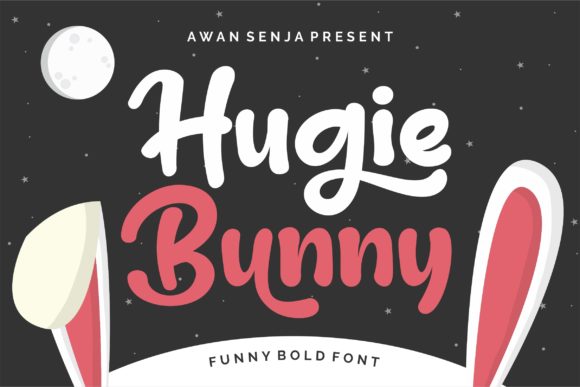
There’s something about the moment you choose a font that sets the tone for an entire project. I remember one afternoon, while redesigning the header for a lifestyle blog, I was searching for something that felt both inviting and visually engaging. That’s when I stumbled upon Hugie Bunny. Its thick lettered display style immediately caught my eye, and I knew it had the potential to elevate the design in ways I hadn’t anticipated.
A Font with Personality
Hugie Bunny is more than just a display font—it's a character. With its soft curves and playful rhythm, it carries a sweet and cartoonish charm that feels like a warm hug on the page. The visual character of this typeface is reminiscent of childhood illustrations, making it ideal for projects that aim to evoke joy, nostalgia, or whimsy. Whether it’s used as a headline, title, or decorative accent, Hugie Bunny brings a sense of fun without sacrificing elegance.
The personality of the font is gentle yet expressive. It has a unique way of drawing attention without being overwhelming. Each letter seems to have a little story behind it, which makes it especially appealing for editorial layouts where mood and tone are essential. It’s not a font that shouts—it whispers with confidence.
Real-World Applications in Editorial Design
I tested Hugie Bunny in several real publishing scenarios, from magazine covers to digital newsletters. One of the most successful uses was for a wedding guide. As the main title font, it added a lighthearted touch that complemented the romantic theme of the publication. For a recipe ebook, I used it for chapter openers and pull quotes, creating a visual break that felt fresh and approachable.
In a coaching workbook, I paired Hugie Bunny with a clean sans serif font for body copy. This combination worked well because the display font provided visual interest while the readable base font ensured content clarity. Similarly, in a printable planner, I used it for section headings and decorative accents, giving the layout a friendly and organized feel.
Its versatility extends to web and print materials. In a digital magazine layout, Hugie Bunny performed beautifully in headlines and feature titles, maintaining readability even at smaller sizes. When exported to PDFs, it retained its quality and didn’t compromise the integrity of the design.
Readability and Practical Considerations
While Hugie Bunny shines in display roles, it’s important to note that it may not be suitable for long-form reading or dense paragraphs. Its expressive nature works best in short bursts of text—titles, subtitles, pull quotes, and decorative elements. For body copy, pairing it with a more traditional serif or sans serif font is recommended to maintain readability and visual hierarchy.
When using Hugie Bunny in mobile layouts, I found that it scales well, but spacing adjustments were necessary to prevent letters from appearing too cramped. In print materials, the font maintains a consistent weight and contrast, making it a reliable choice for brochures, flyers, and book covers.
For those looking to use Hugie Bunny in commercial projects, it’s essential to check the licensing terms. Ensure that the font supports multilingual characters if needed, and confirm that it includes alternates, ligatures, and other stylistic options that can enhance your designs. File formats such as OTF or TTF should also be considered based on your platform and software requirements.
Pairing and Brand Identity
Font pairing plays a crucial role in editorial design, and Hugie Bunny offers a lot of creative possibilities. For a lifestyle blog, I paired it with a modern sans serif font for navigation menus and captions. This created a balanced look that was both playful and professional. In a course PDF, I used it alongside a classic serif font for body text, ensuring that the learning material remained easy to read while still feeling visually engaging.
Its ability to support brand identity is another strong point. Hugie Bunny adds a unique flair that can help differentiate a publication from others. It’s particularly effective for niche markets such as children’s content, wellness guides, and creative courses, where a warm and inviting aesthetic is key.
Whether you’re working on a newsletter graphic, a printable planner, or a digital magazine, Hugie Bunny has the potential to bring a fresh perspective to your content. Its thoughtful design and versatile appeal make it a valuable addition to any designer’s toolkit.